
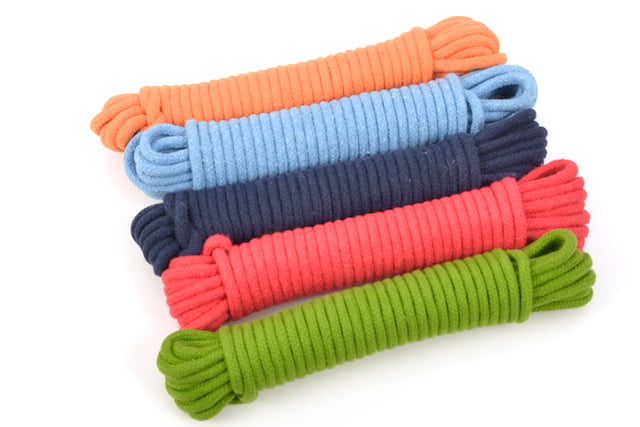
Dyeing cotton rope naturally is a wonderful way to add a personal and eco-friendly touch to your crafting projects. Whether you’re an experienced DIY enthusiast or just starting out, learning to dye cotton rope using natural ingredients is both rewarding and sustainable.
Unlike synthetic dyes, which can be harmful to the environment and your health, natural dyes offer a safer alternative while producing rich, earthy colours that bring depth and character to your creations. Rope dyeing has become popular among crafters because it allows you to customise cotton ropes in ways that suit your projects, whether for home décor, gifts, accessories, or storage projects.
Keep reading as we explore the step-by-step process of naturally dyeing cotton rope, from preparing your materials to creating beautiful, dyed rope ready for a variety of creative uses.
WHAT IS COTTON ROPE?
Cotton rope is a type of natural rope made from the fibres of the cotton plant, making it soft and flexible. The smooth texture makes it comfortable to handle and easy on the hands. It is known for its good grip and absorbency, and cotton rope’s natural resistance to heat makes it ideal for a wide range of applications. These include crafts, decorative projects, pet toys, and even some household tasks.
Braided cotton rope is a favourite for rope dyeing because the even weave helps the colour absorb smoothly, creating a consistent finish.
Cotton ropes are also biodegradable and environmentally friendly. But they are not as strong or durable as synthetic ropes, which makes them better suited for light to moderate tasks rather than heavy-duty use.
Interested to learn how rope is made or about different types of rope? Explore our comprehensive guides for everything you need to know.
WHAT ARE NATURAL DYES?
Natural dyes are colourants extracted from natural sources, such as plants, minerals, insects, and lichens. They have been used for thousands of years to dye textiles, yarns, natural ropes, and other materials.
Natural dyes are valued for their rich, earthy tones and their ability to create unique, organic colour variations. Since they are biodegradable, they are considered environmentally friendly. They are also less toxic compared to synthetic dyes. However, they do require more careful handling and preparation to achieve consistent results.
Anyone who has worked with natural fabric dyes already knows these ingredients. And the same methods apply when you are learning how to dye cotton rope at home.
NATURAL DYE COLOURS
Not sure how to make your natural dye colour? Follow this guide:
1. RED
- Madder root
- Cochineal
- Hibiscus flowers
- Beetroot
- Hedge bedstraw root
2. ORANGE
- Hedge bedstraw root
- Onion skins (yellow onions)
- Gold lichen
- Paprika
- Carrots
- Natural red dye + natural yellow dye
3. YELLOW
- Onion skins (yellow onions)
- Turmeric
- Saffron stamens
- Marigold flowers
- Sunflower petals
- Dandelion flowers
4. GREEN
- Spinach leaves
- Nettle
- Artichokes
- Peppermint leaves
- Fresh cut grass
- Natural blue dye + natural yellow dye (like turmeric)
5. BLUE
- Indigo
- Woad
- Blue iris
- Dogwood bark
6. PURPLE
- Logwood
- Red cabbage
- Chokeberries
- Purple grapes
- Blueberries
- Blackberries
- Natural red dye + natural blue dye
7. PINK
- Cherries
- Raspberries
- Dark pink rose flowers
- Pink camellia flowers
- Diluted natural red dye
8. BROWN
- Walnut hulls
- Acorns
- Oak bark
- Coffee
- Tea
WHY USE NATURAL DYES OVER SYNTHETIC DYES?
Using natural dyes over synthetic dyes offers several advantages, particularly for environmental impact and health. They also improve the look of the final colour.
1. ENVIRONMENTAL BENEFITS
Natural dyes are biodegradable and generally less harmful to the environment. Synthetic dyes often contain toxic chemicals that can pollute water sources during manufacturing and dyeing processes. The production of natural dyes also typically has a lower carbon footprint and involves renewable resources.
2. HEALTH AND SAFETY
Natural dyes are less likely to cause allergic reactions or skin irritations, making them a safer choice. Especially for sensitive individuals and anyone concerned about exposure to harsh chemicals. This is particularly important in products that come into direct contact with the skin, such as clothing, bedding, towels, and baby products.
3. COLOUR QUALITIES
Natural dyes produce unique and rich colours that are often more subtle, with a distinct depth and variation that synthetic dyes may not achieve. The colours tend to have an organic, earthy quality and can change or age beautifully over time, giving a sense of character to the dyed materials.
4. SUSTAINABILITY AND TRADITION
Using natural dyes supports sustainable practices and often ties into traditional, artisanal methods of production that have been passed down through generations. This helps preserve cultural heritage and promotes a connection to natural processes.
5. NON-TOXIC WASTE
The waste produced from natural dyeing is typically non-toxic and can often be safely returned to the earth, such as in composting, whereas synthetic dye waste can be hazardous and difficult to manage.
CREATIVE USES FOR DYED COTTON ROPE
Dyed cotton rope can be used in a variety of creative and decorative projects, such as:
1. WALL HANGINGS AND MACRAMÉ
Dyed cotton rope is perfect for creating intricate macramé rope wall hangings. The colour variations can add depth and interest, making unique, textured art pieces for rope home decor.
2. COILED BASKETS AND BOWLS
You can use dyed cotton rope to create coiled baskets or bowls. The different colours can be arranged in patterns or gradients, adding a vibrant touch to storage solutions or table centrepieces.
3. JEWELLERY AND ACCESSORY MAKING
Create statement rope headbands, necklaces, friendship bracelets, and earrings using dyed cotton rope. The softness of the rope makes it comfortable to wear, and the colours can be combined for a bold, eye-catching look.
4. PLANT HANGERS
You can use dyed cotton rope to craft colourful plant hangers. The dyed rope can complement the plants and pots, adding a lively accent to indoor or outdoor spaces.
5. DECORATIVE CURTAIN TIES
Make custom curtain ties using a dyed cotton rope. Braiding or knotting the rope into intricate designs can add a personal touch to your window treatments.
6. PET TOYS
Create fun and safe toys for pets, such as knotted ropes or chew toys, using dyed cotton rope. The colours can make the toys more appealing and easier to find. Just be sure to use natural dye ingredients that are safe and non-toxic to your pets.
7. SEASONAL DECORATIONS
Why not use dyed cotton rope for Christmas or Halloween craft ideas? The rope can be twisted or braided into festive or seasonal designs.
8. RUG MAKING
Craft a unique, colourful rug by braiding or weaving dyed cotton rope. The natural texture of the rope adds a rustic feel, and the colours bring warmth and personality to the space.
9. HANDLES FOR BAGS OR BASKETS
Use dyed cotton rope as handles for handmade bags, totes, baskets, or storage bins. The dyed rope can add a splash of colour and enhance the overall design.
10. DIY KEYCHAINS
Make custom keychains using a dyed cotton rope. You can experiment with different knots and colour combinations to create personalised accessories.
You can also use dyed rope for camping or outdoor festival décor, weaving colourful garlands or accents that are easy to pack and reuse. Cotton ropes dyed naturally are a safe option for children’s crafts too. The colours are derived from plants and foods already found in many households.
HOW TO DYE COTTON ROPE NATURALLY
Now you know what natural materials make which colours and have some fun and exciting ideas of what to make. Next, it’s time to naturally dye your cotton rope! If you’ve ever wondered how to dye cotton rope without synthetic chemicals, this process gives you step-by-step guidance.
STEP 1: PREPARE YOUR MATERIALS
First, prepare your materials. These will include:
- Cotton rope
- Your natural dye materials
- Fixatives (such as white vinegar or salt)
- 2 large pots
- Water
- Measuring jug and spoons
- Gloves
- Stirring sticks
- Fine mesh sieve or cheesecloth
STEP 2: PREPARE YOUR COTTON ROPE
Once you have all your materials to hand, you need to prepare your cotton rope to be dyed.
First, prewash the cotton rope to remove any impurities. Then, in a large pot, leave your rope to soak for an hour in your fixative pre-treatment (this is what is going to help the dye adhere to the rope).
Depending on your natural dye material, your fixative should either be:
- Berries – ½ cup of salt to 8 cups of cold water*
- Any other natural material – 1 part white vinegar to 4 parts cold water*
*Remember, this is just a guide. You will need enough fixative solution to fully submerge your rope, so adjust accordingly.
After an hour, rinse the fixative solution off your cotton rope in cold water. Don’t dry the rope. You want to leave it damp.
STEP 3: PREPARE YOUR NATURAL DYE
When your cotton rope is at the beginning of its one-hour pretreatment, it’s time to prepare your natural dye.
In another large pot, simmer the natural material in water. Measure out two parts water for every one part of your dye material. Keep it on a low heat for an hour.
Once the hour is up (most likely just after you’ve finished rinsing your cotton rope), strain the liquid through a fine mesh sieve or cheesecloth, into your (now empty) first pot. This is the dye.
STEP 4: DYE THE COTTON ROPE
Now that your rope is pre-treated and you’ve created the natural dye, it’s time to dye your cotton rope.
Place the cotton rope into the pot of dye, making sure that it is fully submerged. Bring the dye to a gentle boil. Then leave it to simmer for an hour. Remember to stir regularly, to ensure even colour.
After the hour is up and the colour is as you like, take the pot off the heat and leave the cotton rope in the warm dye liquid for another hour.
STEP 5: RINSE AND DRY THE DYED COTTON ROPE
After leaving the cotton rope in the warm dye liquid for an hour, use gloves to take the rope out of the pot. Rinse the rope with cold water until the water runs clear.
Once fully rinsed, leave the rope to dry naturally. You can either put it on an old towel or hang it to dry (with an old towel underneath).
FREQUENTLY ASKED QUESTIONS ABOUT DYEING COTTON ROPE
CAN I USE THE SAME METHOD ON OTHER NATURAL ROPES LIKE JUTE OR SISAL?
Yes. The process is similar, though fibres like jute and sisal are rougher than cotton ropes and may absorb dye differently. Always test a small piece first.
DOES DYED COTTON ROPE FADE OVER TIME?
Natural dyes can soften with repeated washing or heavy sunlight exposure. To keep colours vibrant, rinse gently and avoid harsh detergents. When not in use, store your rope out of direct sunlight.
WHAT IS THE DIFFERENCE BETWEEN DYEING COTTON ROPES AND FABRICS?
The principles are the same, but cotton rope is thicker and more absorbent. This means it may require a longer soak to achieve even colour compared to flat fabric.
HOW CAN I FIX COLOUR MORE STRONGLY WHEN ROPE DYEING?
Using the correct fixative (vinegar for most plants, salt for berries) is essential. Some makers also repeat the dye bath or use a mordant like alum for added permanence.
We’re the experts when it comes to ropes! Head over to our handy blog for more information about all the different things you can do with rope.
Not sure which rope suits your project? Contact our friendly team for advice, or explore our cotton rope category for sizes and styles ready to dye.