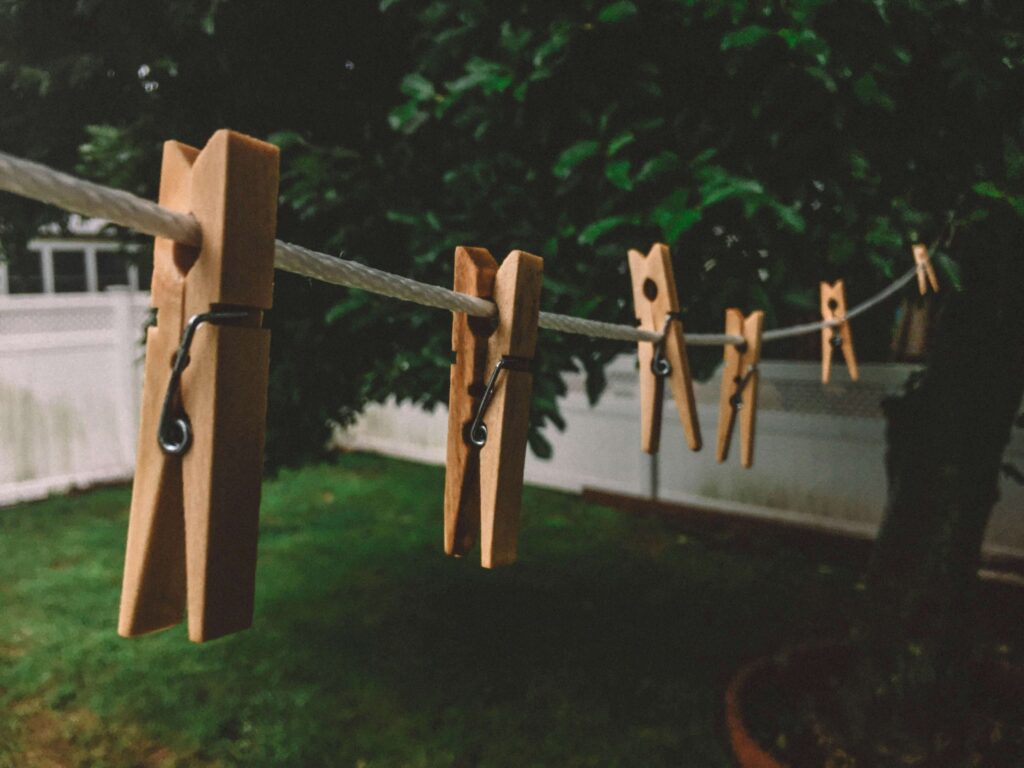
Ready to do your laundry like a pro? Drying clothes outdoors on a washing line is a time-tested, eco-friendly household task that not only saves on energy but also leaves clothes feeling fresh. However, with multiple options on the market, selecting the right washing line can be tricky.
It’s a similar argument to natural rope vs poly rope. Should you choose a natural rope washing line made from biodegradable fibres that are gentle on clothes? Or a plastic washing line that is durable, low-maintenance, and built to withstand the weather? A rope washing line is the traditional choice and often the first option buyers compare with synthetic lines.
In this post, we’ll look at both natural and plastic washing lines. We’ll cover material composition, durability, environmental impact, and cost, then compare the two to help you choose the washing line that fits your laundry needs.
WHAT ARE NATURAL WASHING LINES?
Natural rope washing lines are clotheslines made from eco-friendly, biodegradable materials such as cotton and jute. They let you hang laundry outdoors to dry naturally, which is both energy-efficient and environmentally friendly. A cotton washing line is valued for its softness, while a jute washing line is chosen for its strength and affordability.
FEATURES OF NATURAL WASHING LINES
Natural rope washing lines have several key features and benefits that make them a popular choice for eco-conscious individuals looking to dry their clothes in a more sustainable way. These include:
1. MATERIAL
Natural washing lines tend to be made from three different materials – cotton, hemp and jute. Each has their own unique features, such as:
- Cotton washing lines: Soft, flexible, and gentle on fabrics, cotton rope is commonly used for washing lines. Cotton is biodegradable, renewable, and doesn’t harm the environment. Cotton ropes are particularly suitable for households wanting fabric care and a natural look.
- Jute washing lines: While jute is not as soft as cotton, it is a considerably more hardwearing, water-resistant, and affordable option. However, like cotton, jute washing lines are also biodegradable, renewable, and don’t harm the environment.
While cotton, jute, and hemp are all biodegradable fibres, they each behave differently in daily use. A cotton washing line feels soft in the hand and is gentle on clothes, but it can absorb water and may stretch under heavy loads.
A jute washing line is rougher to touch but more resistant to moisture, which makes it sturdier outdoors and often more affordable.
Hemp sits between the two. It is less soft than cotton but stronger and longer-lasting than jute. For buyers, the choice often comes down to whether you value softness and fabric care, or outdoor strength and lifespan.
2. DURABILITY
Natural ropes used for washing lines are generally quite durable, especially those made from hemp. However, the longevity of the rope can vary depending on the material. Cotton and jute may degrade more quickly in wet or very sunny conditions. Ropes made from hemp or thick cotton are more resistant to fraying, making them a long-lasting option for outdoor drying. To extend lifespan, many buyers consider a cotton washing line with a poly core, combining softness with strength.
If you’re concerned about your washing line fraying, you can explore our guide on how to prevent rope fraying for tips and tricks to keep your rope in best condition.
3. BIODEGRADABLE AND ECO-FRIENDLY
One of the key advantages of natural rope washing lines is their eco-friendliness. Unlike synthetic materials, natural fibres break down naturally over time without contributing to plastic waste. This makes them a sustainable option for drying clothes. Jute has a reputation as an affordable eco-friendly choice, making it one of the best ropes for washing lines.
4. SOFTNESS AND FABRIC CARE
Natural ropes, particularly cotton, are softer than other synthetic alternatives. This softness can help protect delicate fabrics like wool or silk from snags or abrasions when hanging to dry.
5. VISUAL APPEAL
The rustic, natural look of ropes made from cotton, hemp, or jute is visually appealing. Many people prefer the look of a natural rope washing line in their garden or yard – especially in sustainable or country-style settings.
6. FLEXIBILITY
Natural washing lines are often flexible and can be tied, wound, or stretched between trees, poles, or walls. This versatility allows for easy setup in various locations, both outdoors and indoors. Natural rope washing lines can also be used as a retractable washing line setup, allowing the rope to be pulled in when not in use. This saves space and helps protect it from the weather.
7. WEIGHT CAPACITY
Natural rope washing lines can carry a significant load, with jute being particularly strong. Depending on the material and thickness of the rope, they can handle heavier loads of laundry, including wet towels, blankets, and larger garments.
8. RESISTANCE TO OUTDOOR ELEMENTS
Natural ropes generally hold up well in outdoor conditions. However, they can be susceptible to damage from constant exposure to moisture, direct sunlight, and wind compared to synthetic options. Jute is perhaps better suited for the outdoors due to its durability.
However, if you are looking for a more hardwearing washing line with the appearance of cotton, you can purchase weatherproof cotton washing lines that come with a poly core for strength and waxed outer layer for durability.
9. EASE OF INSTALLATION
Setting up a natural washing line is generally simple – whether you’re using poles, hooks, or trees. It doesn’t require complicated hardware or tools, which makes this type of washing line an accessible option for most people.
10. VERSATILITY
These washing lines are suitable for both indoor and outdoor drying. They can be used on a balcony, in a garden, or in a laundry room, and some people even use them for decorative purposes or as a creative way to organise space.
11. COST-EFFECTIVE
Natural rope washing lines are less expensive than using an electric dryer, making them an affordable way to dry clothes without power.
12. SUN AND FRESH AIR DRYING
Clothes dried on natural washing lines benefit from sunlight and fresh air. This helps kill bacteria, reduces wrinkles, and gives laundry a fresh outdoor scent.
WHAT ARE PLASTIC WASHING LINES?
Plastic washing lines are clotheslines made from synthetic materials, such as PVC (polyvinyl chloride), nylon, or polypropylene, that are designed to hold and dry clothes outdoors. These lines are popular for their durability, resistance to outdoor elements, and relatively low cost. A nylon washing line is one of the strongest plastic or synthetic options and holds up well in the sun.
FEATURES OF PLASTIC WASHING LINES
Plastic washing lines offer several key features and benefits that make them a popular choice for drying clothes. These include:
1. MATERIAL
Plastic washing lines are made from a range of synthetic materials. The most common are PVC, nylon, and polypropylene. Each material has its own benefits.
- PVC washing lines: PVC is a commonly used plastic in washing lines. It’s strong and weather-resistant, and the smooth coating makes it easy to clean.
- Nylon washing lines: Also known as nylon pulley lines, this synthetic material is another popular choice for plastic washing lines. It is known for its high strength and flexibility. Nylon is also resistant to UV rays, which helps it withstand long-term exposure to sunlight.
- Polypropylene washing lines: Polypropylene is durable and resistant to moisture, making it ideal for outdoor use. It’s also flexible and relatively inexpensive.
Each synthetic material brings something different to a washing line. PVC washing lines are coated for a smooth surface that wipes clean easily, ideal for keeping laundry dust-free.
A nylon washing line has the highest strength of the group and copes well with strong sunlight, making it reliable for year-round outdoor use.
Polypropylene washing lines are lightweight and flexible, which makes them easy to install and reposition. They’re also usually the most budget-friendly option, though less strong than nylon. These distinctions explain why plastic washing lines remain popular across so many households.
2. DURABILITY
Plastic washing lines are durable and stand up well to rain, sunlight, and wind. They don’t fray or rot like natural fibres and many have a UV-resistant coating, which helps them last even longer outdoors. For some, this makes them the best outdoor washing line.
3. LOW MAINTENANCE
Plastic washing lines are easy to clean and don’t need much upkeep. A quick wipe with a damp cloth is usually enough to remove dirt. They also resist mould and mildew, so they stay looking fresh far longer than natural ropes.
4. LOAD-BEARING CAPACITY
Many plastic washing lines, particularly nylon, have a high load-bearing capacity, making them suitable for heavy items like blankets, towels, or jeans. However, you can also opt for steel core washing lines which are designed to be exceptionally strong.
5. WEATHER RESISTANCE
Plastic washing lines are designed to withstand a variety of weather conditions, making them ideal for outdoor use. They resist water and sunlight, which keeps them strong and effective for extended periods.
6. FLEXIBILITY
Plastic washing lines are often available as retractable washing lines, which can be extended when in use and retracted when not. This feature is convenient for saving space and protecting the line from the elements. However, you can very easily tighten a washing line, if it is not retractable.
7. SMOOTH SURFACE
The smooth coating on plastic washing lines makes them gentle on clothes and reduces the risk of snags or fabric damage. This coating also helps to keep the line clean and free of dust and dirt that could get on your clean laundry.
8. COST-EFFECTIVE
Plastic washing lines are often less expensive than high-quality natural ropes, making them an affordable choice for many households who do not want to use electric dryers.
9. VARIOUS COLOURS AND STYLES
Plastic washing lines come in a range of colours and styles, allowing you to choose one that matches your home or outdoor space. Some lines, such as steel core washing lines, are also reinforced for added strength and durability.
COMPARING NATURAL AND PLASTIC WASHING LINES
Here’s how natural washing lines and plastic washing lines compare across several key aspects:
1. MATERIAL COMPOSITION
Natural: Made from biodegradable materials like cotton washing lines, hemp, or jute washing lines.
Plastic: Made from synthetic materials like PVC, nylon washing lines, or polypropylene washing lines, and sometimes reinforced with metal.
2. ENVIRONMENTAL IMPACT
Natural: Biodegradable and eco-friendly, as they break down naturally and don’t contribute to plastic waste.
Plastic: Not biodegradable; they have a longer environmental impact as they contribute to plastic waste when discarded. However, their long lifespan means they don’t need replacing as often.
3. DURABILITY AND LONGEVITY
Natural: Less durable, especially in wet or sunny conditions. Can be prone to mould, mildew, and UV damage, causing them to fray or weaken over time.
Plastic: Highly durable and weather-resistant, with a longer lifespan – even in harsh outdoor conditions. UV-resistant options such as nylon washing lines can also withstand sun exposure without becoming brittle.
4. MAINTENANCE
Natural: Require more maintenance, such as periodic cleaning to prevent mildew. They may need to be replaced sooner due to wear from the elements or brought inside after use.
Plastic: Low maintenance; they can be wiped clean and don’t require much upkeep. Resistant to mildew, mould, and most environmental wear, meaning they can be left outside.
5. WEATHER RESISTANCE
Natural: Can be susceptible to water absorption and UV damage. They can weaken and rot in wet climates, and prolonged sunlight can cause fading and deterioration.
Plastic: Strong resistance to all weather conditions, including rain, sun, and wind. They don’t absorb moisture, making them mould-resistant and suitable for year-round outdoor use.
6. LOAD-BEARING CAPACITY AND STRENGTH
Natural: Strong, but not as suitable for heavy loads, especially if made from softer fibres like cotton or jute. Hemp is more durable but can still stretch under heavy weight.
Plastic: High load-bearing capacity, particularly in nylon washing lines or steel-reinforced plastic lines. They can hold heavier items without stretching or sagging.
7. FLEXIBILITY AND INSTALLATION OPTIONS
Natural: Flexible in terms of setup and easy to tie between poles or trees. However, they may need frequent adjustments as they can sag or stretch.
Plastic: Also flexible, with options like retractable washing lines for space-saving use. They generally stay taut, needing fewer adjustments.
8. EFFECT ON CLOTHES
Natural: Softer on clothes, especially cotton, which is gentle and reduces the risk of snags. However, rougher materials like jute may cause minor abrasion to delicate fabrics.
Plastic: Smooth and coated, which prevents snags and is gentle on fabrics. They’re generally better for all fabric types.
9. VISUAL APPEAL
Natural: Rustic, natural appearance that can blend well with outdoor gardens or eco-friendly home settings.
Plastic: Available in different colours and styles but may lack the rustic look that some people prefer.
10. COST
Natural: Generally affordable, though high-quality hemp ropes can be more expensive. However, they may need to be replaced more often, which can add to the overall cost.
Plastic: Often inexpensive and long-lasting, making them cost-effective over time.
Choosing between natural and plastic washing lines often depends on priorities:
- Natural lines are best if you want a rope that is biodegradable, gentle on clothes, and has a rustic look in the garden. They are less suited to year-round exposure.
- Plastic lines are best if you need strength, minimal upkeep, and reliable performance in all weather. They’re less appealing if sustainability and natural appearance are top of your list.
- For heavy laundry such as wet towels or bedding, a nylon washing line or steel core plastic line will cope better than cotton or jute.
QUICK COMPARISON
| Aspect | Natural rope washing line | Plastic washing line |
|---|---|---|
| Materials | Cotton, jute, hemp (biodegradable) | PVC, nylon, polypropylene (synthetic) |
| Eco impact | Breaks down naturally, no plastic waste | Long-lasting but non-biodegradable |
| Durability | Can fray or weaken outdoors | Strong, weather- and UV-resistant |
| Maintenance | Needs cleaning, sooner replacement | Wipes clean, minimal upkeep |
| Load-bearing capacity | Moderate, may stretch under heavy weight | High capacity, esp. nylon/steel core |
| Fabric care | Soft on clothes, gentle on delicate fabrics | Smooth surface prevents snags |
| Appearance | Rustic, natural look | Colours/styles available |
| Cost | Affordable but replaced more often | Inexpensive, long-lasting |
KEY CONSIDERATIONS WHEN CHOOSING YOUR WASHING LINE
Natural washing lines are ideal for those prioritising eco-friendliness and a natural look. But they require more maintenance and are less durable in harsh conditions. Plastic washing lines, on the other hand, offer greater durability. They’re also low maintenance, with a higher load-bearing capacity. Unfortunately, they aren’t biodegradable.
Your choice will depend on your priorities: sustainability and appearance with natural ropes, or durability and ease of use with plastic. Cost may also come into play when making your decision, though this can easily be balanced between the two options.
When it comes to washing lines, we’re the experts. Yes, really. James Lever was the first to introduce PVC washing lines to the UK in the 60s, and the Everlasto range has remained the UK brand leader ever since.
To find out more about our product ranges, contact our helpful team today, or explore more resources on our blog. You can also head straight to our natural washing line ropes and PVC washing lines to compare options.