
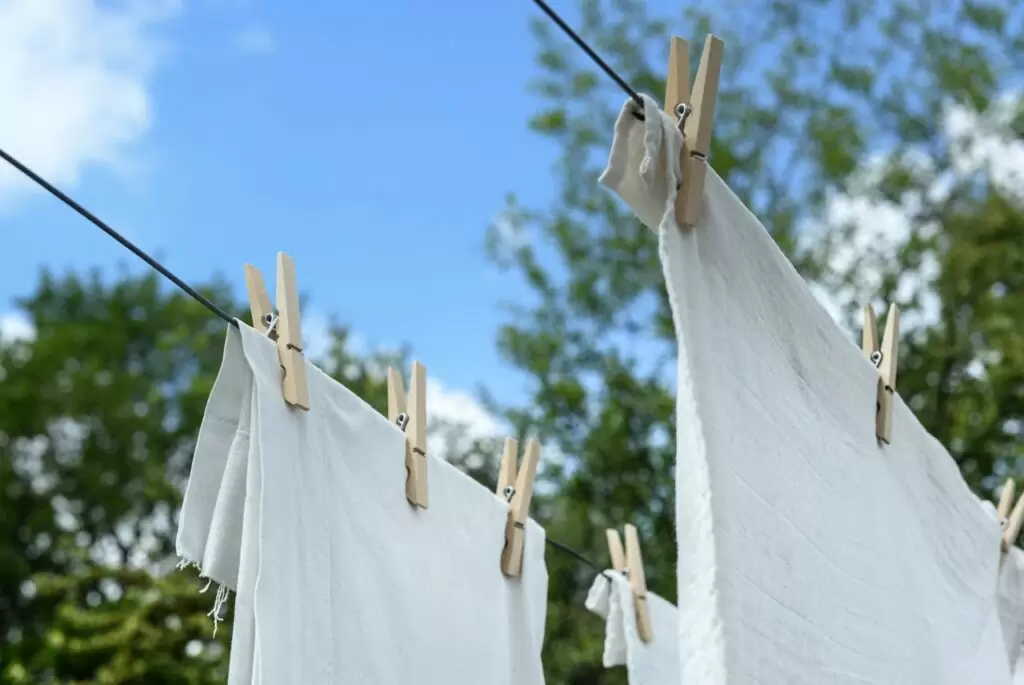
Drying clothes at home doesn’t have to be a chore that takes up half your garden or leaves your laundry room cluttered. A washing line pulley is a clever, space-saving solution that makes laundry drying more convenient, efficient, and eco-friendly.
If you live in a flat with limited outdoor space, want to free up your garden, or simply want to cut down on tumble dryer costs, a washing line pulley system can make a big difference. In this guide, we’ll explore what a pulley washing line is, the benefits of installing one, and what to consider before you get started!
What is a washing line pulley system?
A washing line pulley system is a clothesline setup that uses pulleys and rope to move laundry along the line, so you can hang and retrieve your laundry from a single point. Instead of walking up and down a fixed line, you simply pull on one side of the cord, which brings the line towards you.
Most systems include:
- Two pulleys: Usually installed between a wall and a pole, or across two walls.
- A strong rope or cord: This loops around the pulleys to create a continuous line.
- Mounting hardware: Brackets, fixings, and sometimes a clothesline tightener.
The result is a simple yet effective pulley system washing line that saves effort, reduces clutter, and makes hanging clothes quicker!
How does a washing line pulley work?
A pulley washing line is anchored between two points; for example, from the side of your house to a post at the edge of your garden. The pulleys allow the rope to move freely, so when you pull on one end of the line, the clothes move around in a loop.
This way, you can stand in one spot and rotate your washing around without carrying heavy, wet laundry back and forth. When the clothes are dry, you use the same motion to bring them back.
7 key benefits of a pulley system washing line
1. Saves space
A washing line pulley system is ideal for homes with limited space, flats with balconies, or compact laundry areas. Ceiling-mounted pulley lines are also popular indoors, making use of vertical space that would otherwise be wasted.
2. Convenient and easy to use
Instead of dragging baskets of wet clothes across the garden, you can stand in one spot and rotate your washing line. This makes drying clothes much easier, especially with large or heavy items.
3. Better airflow for faster drying
Because pulley washing lines are elevated, clothes get more exposure to airflow and sunlight, which helps them dry faster and more evenly.
4. Keeps clothes cleaner
Higher placement means clothes are further away from dust, dirt, and pet hair at ground level. Plus, you can position the line away from areas prone to splashes or stains.
5. Energy efficient and cost saving
A laundry pulley system eliminates the need to run a tumble dryer, helping you save on energy bills while reducing your carbon footprint.
6. Durable and long-lasting
High-quality washing line pulleys are designed to handle heavy loads and require minimal maintenance. A good system can last for years with little upkeep!
7. Suitable for all weather
A pulley system washing line can be installed both indoors and outdoors. Outdoor lines are built to withstand harsh weather, while indoor systems are perfect for rainy days or colder months.
Factors to consider before buying a washing line pulley
Before you invest in a washing line pulley, it’s worth thinking carefully about the setup you need. This way, you’ll ensure your pulley washing line is practical, durable, and perfectly suited to your home.
1. Space and location
First, consider where your pulley system washing line will be installed.
- Distance: Measure the gap between your two anchor points (such as a wall and a pole) to ensure it’s long enough for your laundry but not so far that the line sags.
- Height and clearance: Make sure there’s enough space for clothes to move freely without hitting fences, windows, or plants.
- Light and airflow: Outdoors, check whether the area gets enough sunshine and breeze for effective drying. Indoors, ceiling-mounted lines in kitchens or utility rooms work well thanks to warm rising air.
2. Material and durability
The three main components of a laundry pulley system are the pulleys, the rope, and the mounting hardware.
- Pulleys: Look for rust-resistant options such as stainless steel or heavy-duty weatherproof plastic. The groove in the wheel should be smooth to allow the line to move freely without wear.
- Rope or cord: A strong, UV-resistant and weatherproof line is essential for outdoor use. PVC-coated lines are popular for durability, while natural fibre cords can work well indoors. Browse our collection to find what you need!
- Hardware: Make sure the brackets, fixings, and fasteners are sturdy and corrosion-resistant. High-quality fittings will add years to the lifespan of your pulley washing line.
3. Load capacity
Think about how much laundry you usually hang in one go.
- For light, everyday loads, a standard washing line pulley system will do the job.
- If you regularly wash bedding, duvets, or large towels, opt for a heavy-duty model designed to take extra weight.
- Check the manufacturer’s guidelines for weight limits to avoid straining the line.
4. Adjustability and ease of use
The whole point of a pulley system washing line is to make drying easier, so look for features that improve usability!
- Clothesline tensioners help keep your line taut and stop sagging over time.
- Dual pulleys provide smoother movement than single pulleys, making it easier to rotate heavy loads.
- Some models also include self-locking mechanisms, which keep the line securely in place when not in use.
5. Installation requirements
Not all homes are suited to the same type of laundry pulley system. Think about your space with the following in mind:
- Wall mounts: Some systems come with simple brackets that can be fixed to walls.
- Separate posts or poles: If no suitable wall is available, you may need to install a dedicated support post.
- Indoor vs outdoor: Indoor installations may require ceiling brackets, while outdoor models need to be secured firmly against wind and weather. Check whether drilling is required and ensure you have the tools and know-how, or consider professional installation if needed.
6. Weather resistance
If you plan to use your pulley washing line outdoors, make sure all components are built to withstand rain, wind, and sun.
- Stainless steel pulleys won’t rust in wet weather.
- UV-protected ropes resist cracking and fading from sun exposure.
- For extreme climates, retractable or removable systems are a good option, allowing you to store the line when not in use.
7. Price and budget
Finally, balance your budget against your needs.
- Entry-level pulley kits are cost-effective and ideal for light use.
- Mid-range systems typically offer better durability and smoother operation.
- Premium models may include added features like coated pulleys, integrated tensioners, or heavy-duty hardware that pays off in the long run.
By considering these factors before you buy, you’ll end up with a washing line pulley system that makes laundry easier, lasts for years, and saves both time and energy.
FAQs about washing line pulley systems
How to put up a washing line pulley system?
To install a washing line pulley system, you’ll need two anchor points, like a wall and a post. Mount the pulleys securely using brackets or screws, then loop the rope through both pulleys to form a continuous line. Finally, tension the line with a tightener or turnbuckle to prevent sagging.
Learn more about how to put up a washing line pulley system in our handy guide.
How to thread a pulley washing line?
Start by feeding the rope through the groove in the first pulley, then run it across to the second pulley. Loop it through that, and back to the first pulley if setting up a continuous loop. Tie off securely, and adjust the tension until the line runs smoothly.
How does a washing line pulley work?
A washing line pulley works by using grooved wheels to allow the rope to move freely. As you pull on one side of the line, the clothes rotate along the loop, bringing open line space towards you and moving the drying laundry out of the way.
Can I use a pulley system indoors?
Yes! A laundry pulley system can be installed in utility rooms, garages, or even kitchens. Ceiling-mounted pulley systems are especially popular for indoor drying, making use of warm rising air to speed up the drying process.
What rope is best for a washing line pulley system?
The best choice is a strong, UV-resistant, weatherproof cord. Many people prefer PVC-coated lines outdoors for durability, while natural ropes can work for indoor setups.
Ready to install your pulley system?
A washing line pulley is a smart investment for any household. It saves space, cuts costs, and makes laundry days easier. With the right system, you can enjoy faster drying, cleaner clothes, and years of reliable use.
At Rope Source, we’ve been helping households with high-quality washing lines since the 1960s, with our Everlasto range leading the way. Browse our range of pulley system washing lines today and find the perfect solution for your laundry needs. Got questions? Reach out to our friendly team, or browse our blog for more helpful information.